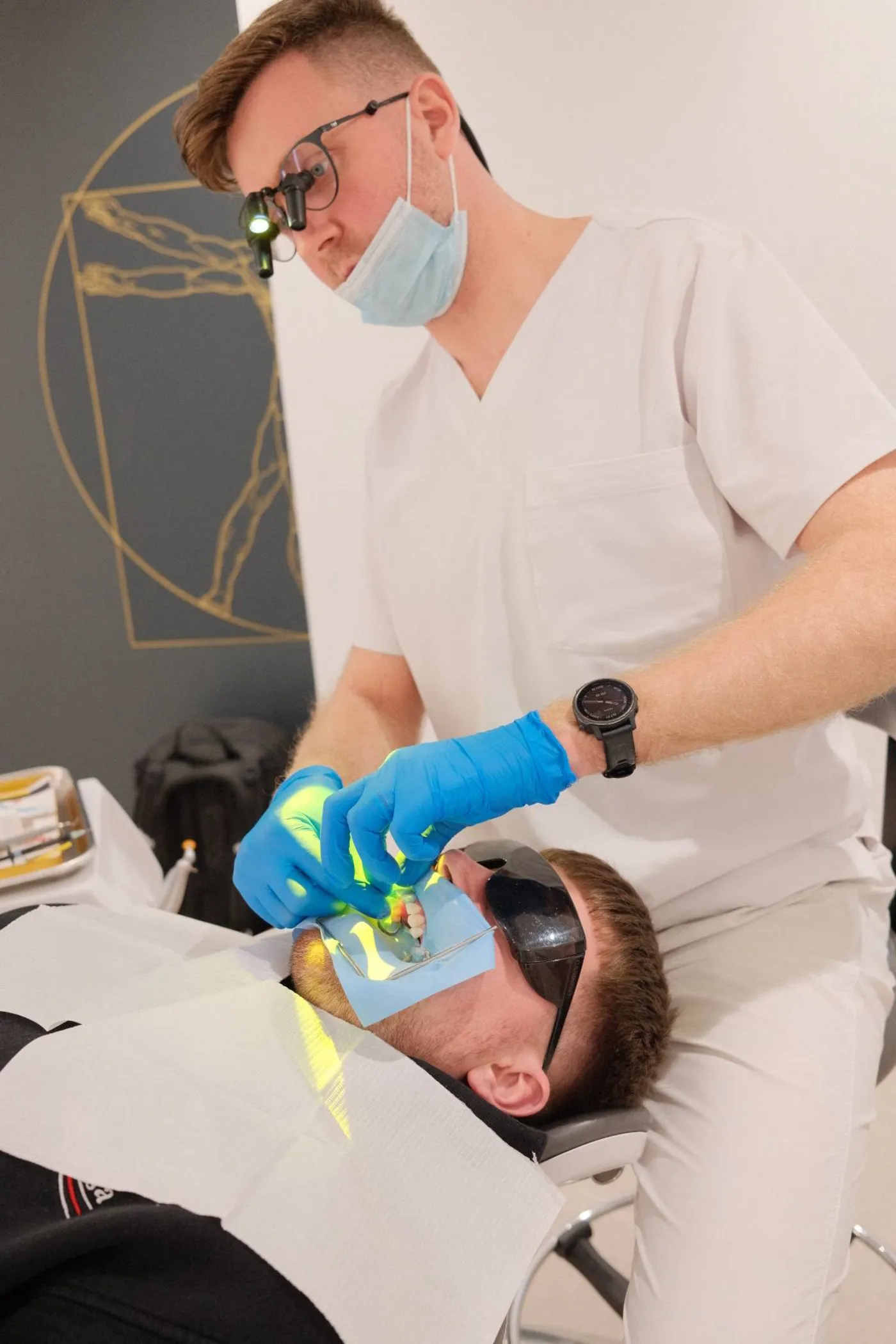
Protect your teeth from grinding and clenching
Custom splints, conservative management, and a stepped approach. A measured first step if you wake with jaw ache, headaches, or notice your front teeth looking shorter than they used to.
Bruxism is the medical term for grinding or clenching your teeth, usually at night and often without realising it. A splint is a slim, custom-made cover that sits over your upper or lower teeth while you sleep, taking the force instead of your enamel. It won't stop you grinding, but it does protect the teeth from the damage grinding causes, and it often settles the morning jaw ache that comes with it.
What to know
- Bruxism is a habit, not a disease we cure. A splint protects the teeth while you continue to live with the habit.
- Custom splints are made from a digital scan of your teeth. No putty, no gagging, no mess.
- If your front teeth are already shorter, chipped or flattening, a splint on its own won't bring back lost tooth structure. Some people choose to wear a splint and protect what's left, others go on to rebuild. Both are valid.
- Jaw-joint pain that doesn't settle needs more than a splint. We refer you on to a colleague trained in those conditions if needed.
A stepped approach
We think of bruxism treatment like a ladder. Start with the easy, reversible steps and only move up if they don't settle the problem.
Conservative management
Stress, caffeine, alcohol, sleep hygiene, and daytime 'lips together, teeth apart' awareness. Things you can do at home.
A custom splint
Made from a digital scan, worn at night (or day-guards for daytime clenchers). Protects the teeth while you keep living with the habit, and often eases muscle tension and morning jaw ache.
Rebuilding worn teeth
Only if that matters to you. Some patients stop at the splint. Others rebuild for shape and function. Both are valid.
Onward referral
If symptoms don't settle after the first two steps, we refer you to a colleague trained in jaw-joint conditions.
Surgical intervention
The top of the ladder, and a last resort. Very rarely needed.
Signs you might be grinding
- Front teeth that look shorter, flatter or more translucent than you remember
- A dull ache in the jaw or around the temples first thing in the morning
- Frequent headaches, particularly on waking
- Teeth that feel sensitive to cold without an obvious cavity
- Small chips or cracks appearing in previously intact teeth
- A partner mentioning a grinding or clicking noise during the night
You don't need all of these. One or two is enough of a reason to have it looked at.
Conservative management
A splint protects the teeth, but there are things you can do day-to-day to reduce the grinding itself. These often help with morning jaw ache and headaches more than a splint alone. Areas worth looking at: stress and anxiety (bruxism often tracks with stress), caffeine and alcohol in the hours before bed, sleep hygiene, daytime jaw-tension awareness, and gentle jaw stretches. None of these cure bruxism, but together they often reduce it meaningfully. A splint protects the teeth while those changes take effect.
What this looks like in practice
Protects your enamel
Takes the force of grinding instead of your front teeth, which cannot grow back.
Digital scan, not putty
Splint is made from a clean digital scan of your teeth.
Stepped approach
Conservative management first. We only move up the ladder if the simpler steps don't settle it.
Knowing when to refer
If a splint isn't enough and the jaw joint needs further help, we refer to a colleague trained in that area.
Real Results
A selection of finished cases from the practice.
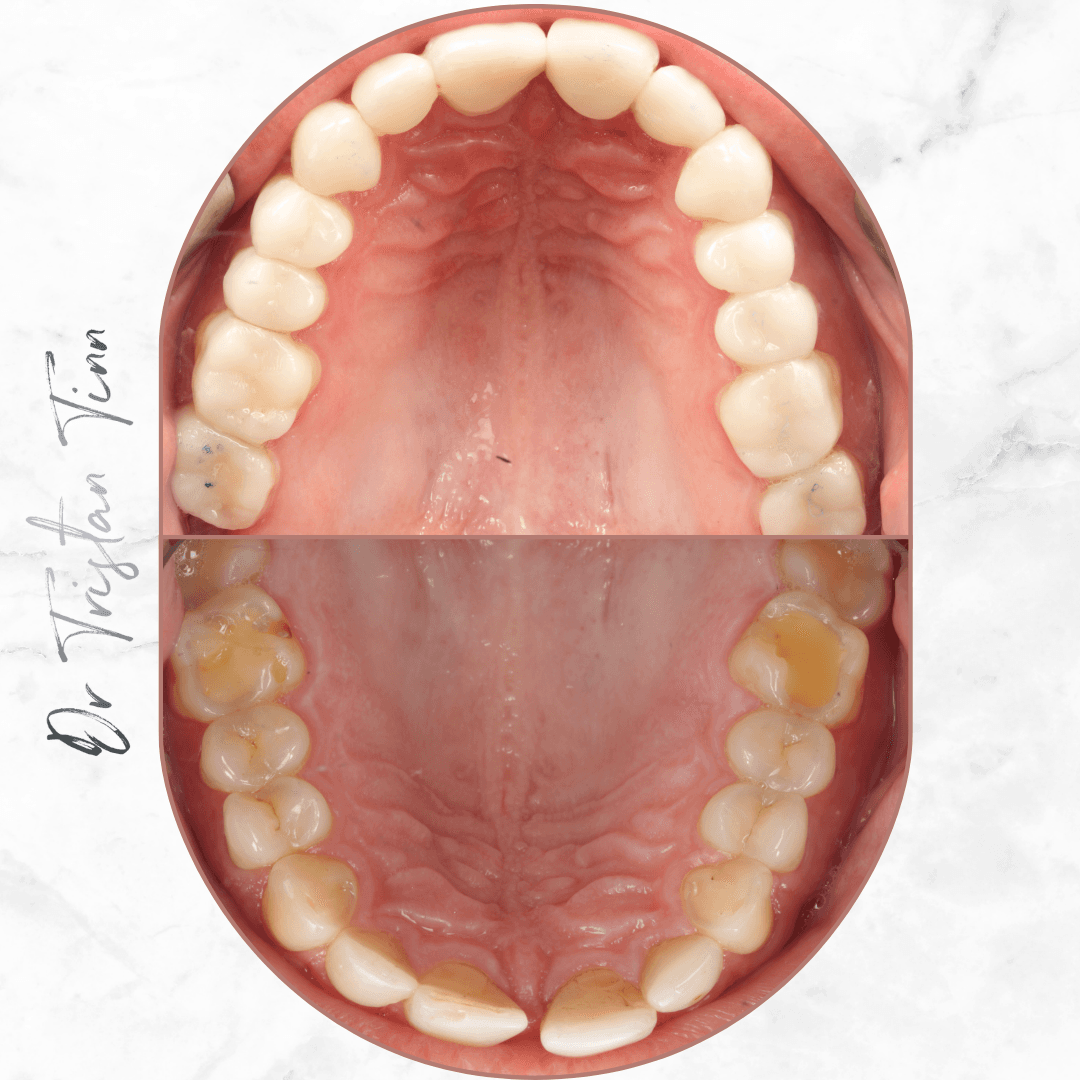
Full Mouth Composite Rehabilitation
Occlusal view showing composite rehabilitation of all worn biting surfaces.
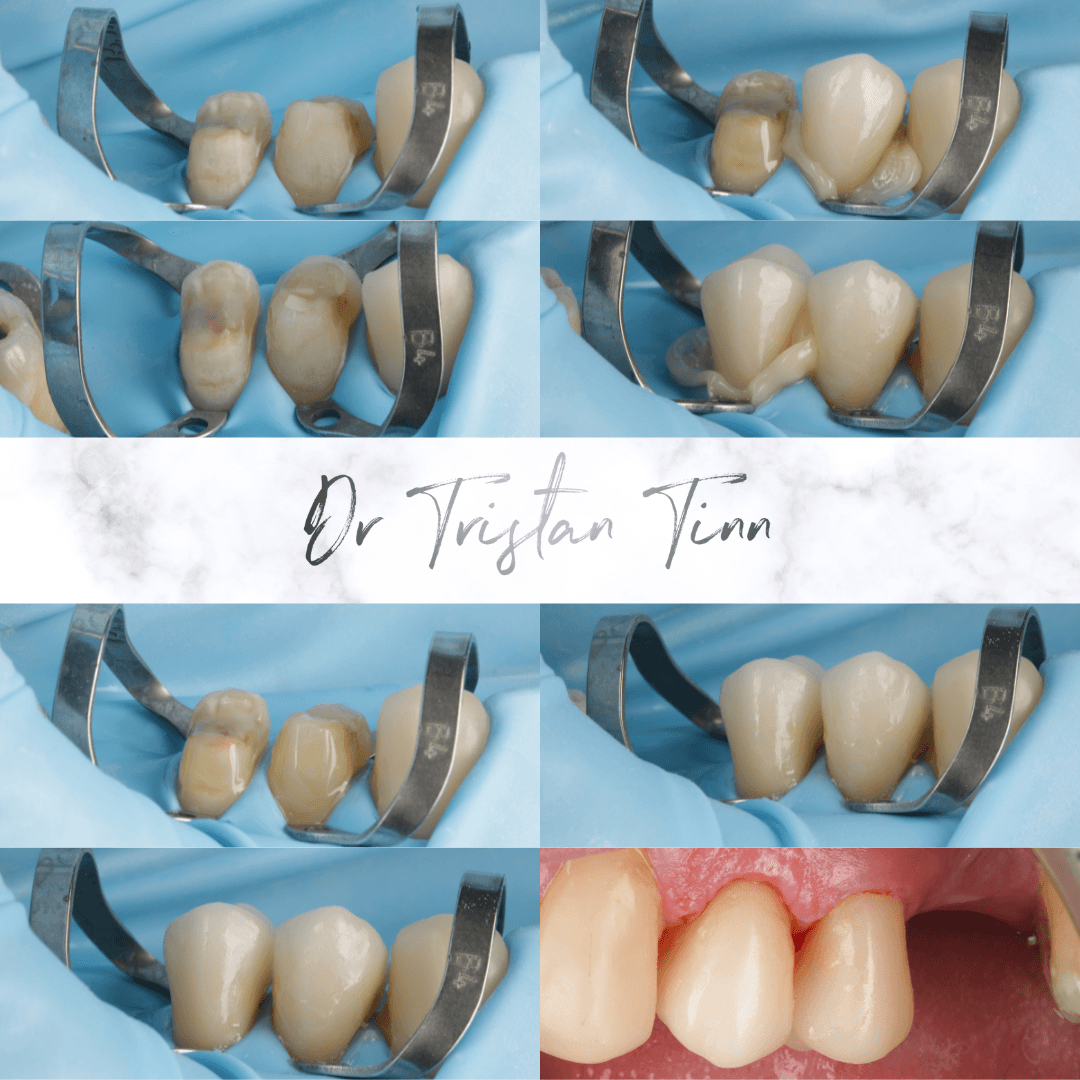
Ceramic Onlays
Conservative ceramic onlays to restore damaged teeth.
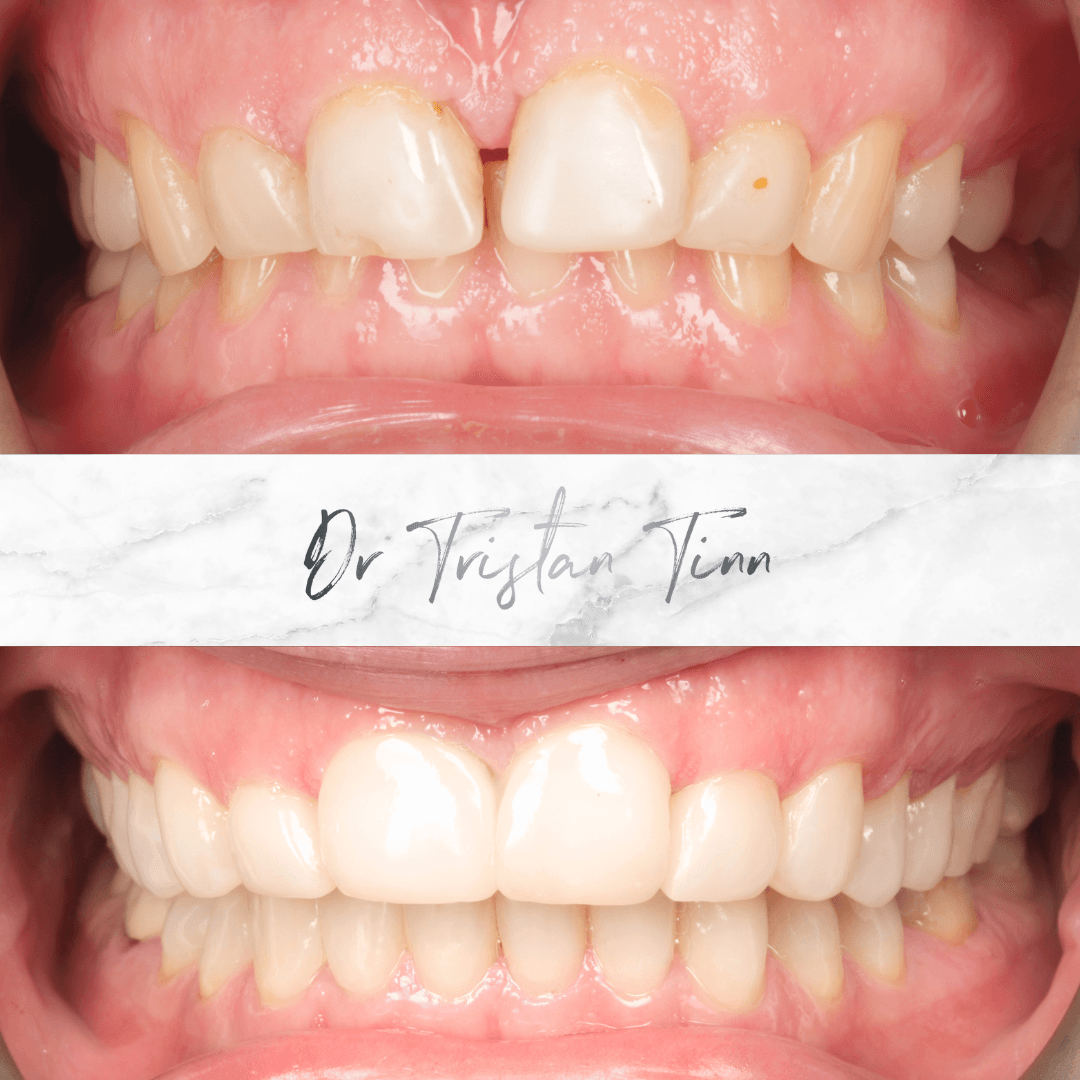
Direct Composite Rehabilitation
Direct composite technique to rebuild worn teeth and close gaps.
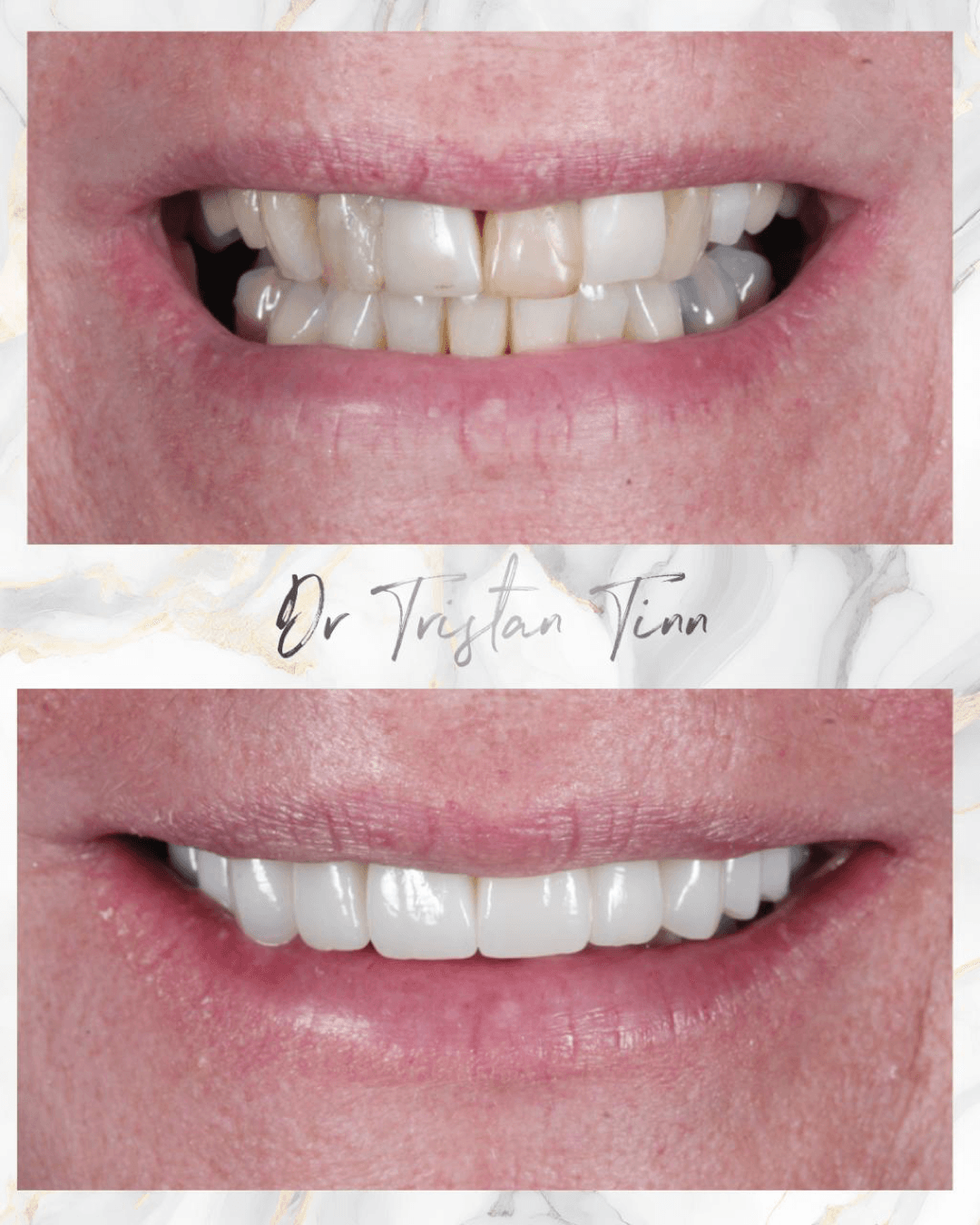
Full Mouth Rehabilitation
Years of steady decline and failing old work refreshed to full shape and an even colour, with the denture gone for good.
Frequently Asked Questions
Bruxism is the medical name for grinding or clenching your teeth. It can happen during the day, at night, or both. Most people who grind at night aren't aware they are doing it. Stress, bite issues, sleep patterns and medication can all play a part.
Related treatments
Treatment is delivered by Dr Tristan Tinn, dentist in Kendal, at Crossbank Dental Care on Captain French Lane, a short walk from the Market Place.
Book Your Consultation
Ready to start your protect your teeth from grinding and clenching journey? Get in touch to arrange your consultation.
or book online
Get In Touch
Phone
01539 319170Location
Crossbank Dental Care
10 Captain French Lane
Kendal, LA9 4HP